The Detox and Traditional Chinese Medicine Diet
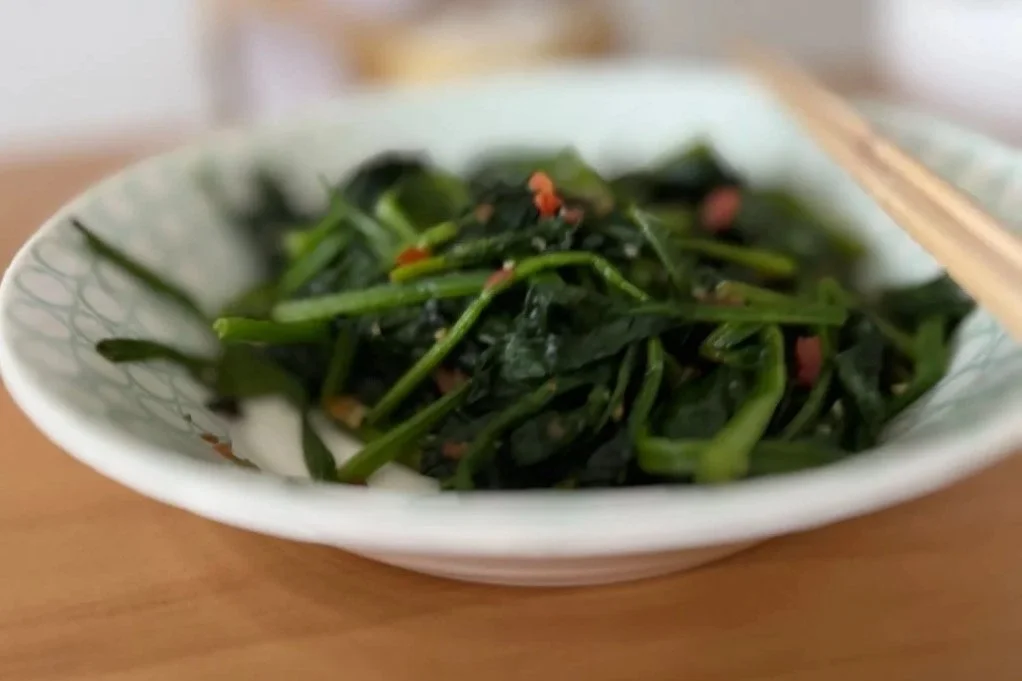
Photo By Leo Ni
The Detox and Traditional Chinese Medicine Diet
By Pier Derrickson, LAc.
Maybe you are feeling the after effects of the holiday season, maybe you are getting ready for a big event coming up in the near future, or maybe you just simply want to feel better? This article is an introduction to a 30 day detox diet that incorporates both Western and Traditional Chinese Medicine theories of eating more clean, whole foods in order to enhance your health and vitality.
In Traditional Chinese Medicine theory, the key to a long healthy life is balance - too much of one type of food and not enough of another can throw our health off, leading to mental, physical and emotional symptoms. Often in an acupuncture treatment, practitioners will provide recommendations for adjusting one’s lifestyle (diet, exercise, sleep) - the goal is to live a life in balance, both inside and outside the treatment room.
Changing our diets is not easy - food connects us to other people in social gatherings, it is our emotional support, our comfort, our way to nurture ourselves. The Western diet may soothe our souls but it does not set us up for optimal living. When I think of typical American fare, I think of breads, lunch meats, salads, pasta, hamburgers and potatoes. Throw in snack foods such as chips candy and soda which have little to no nutritional value and add a healthy dose of wine and beer to the mix, it’s not a healthy lifestyle.
The standard American diet is high in fat, which can lead to the excessive accumulation of white adipose tissue (i.e. obesity) and systemic inflammation. Inflammation can lead to autoimmune diseases because it disrupts the gut microbiome, causing the immune system to be confused and attack the body’s own cells. There are over 80 types of autoimmune disorders, including Lupus, Rheumatoid Arthritis, Type 1 Diabetes, and Multiple Sclerosis, and studies show the numbers of people experiencing autoimmune symptoms increases up to 12% annually.
The good news is that changing our diets and habits can make a positive impact on our health, especially for those diagnosed with autoimmune issues. And changing our diets doesn’t mean that we have to compromise our quality of life, we just have to take more effort in preparing our food from scratch, and spend time learning and getting comfortable with what we should eat more of, and eat much less of as well.
Detox Diet for 30 days.
It’s often easier to add more of some foods into your diet and cut back on others. But there is a benefit to doing a strict regimen for 30 days because you see the positive effects that it has on your body and you are more inclined to incorporate these concepts into your diet, even if you don’t strictly adhere to it after the 30 days is up.
The detox diet I recommend trying is the Whole30 diet, authored by Melissa Urban and Dallas Hartwig. The basic premise is that you eat whole foods for 30 days, and avoid grain-based starches (wheat, corn, rice, quinoa), processed foods, dairy, added sugar and alcohol and certain additives like MSG. The “whole foods” come in the forms of meat, poultry and eggs, all fresh or frozen vegetables, all fresh or died fruits, and healthy fats such as avocado, nuts seeds, olive oil and coconut oil. Basically you make your meals around whole foods like meats, vegetables, fruits, nuts and seeds. The goal of the Whole30program is to reset your eating habits and this includes weaning yourself off of treats, even treats that are whole-food based.
Reading one (or all) of the Whole30 books is helpful, especially It Starts with Food, which gives the in-depth reasoning to why you should eat healthier and the processes that are happening in your body when you eat (or avoid) certain foods. It also includes recommended meal plans and recipes.
While you are doing the diet, you may experience headaches, fatigue or mood swings as your body adjusts to the sugar cravings (for me this is usually in the second week). To combat this, I recommend you delve into more recipes, find something new to eat because the best is yet to come. I find that preparing foods ahead of time is a game changer for incorporating more vegetables into my day, and eating a really good medjool date is my favorite way to satisfy an over-active sweet tooth (to me they are like eating an exotic-flavored ball of icing).
Usually by day 20, my minds starts to feel clear and I have more energy. Around this time, my cravings have reduced and I’m less focused on the foods I can’t have - it’s definitely worth persevering to day 30 to experience the feeling of your body functioning with such vitality.
If you do have a lapse while on the diet, forgive yourself and get back on the saddle to start again. This is all for the benefit of your health, there’s no medal to this race other than your good health - you can picture yourself as the shiny gold medal at the end of the 30 days!
As an Acupuncturist, I feel it’s essential to combine the basic concepts of Whole30 with the principals of Traditional Chinese Medicine nutrition in order to maximize your health benefits.
In Traditional Chinese Medicine (TCM), the Spleen and Stomach are the earth element and they are in charge of delivering nutritious qi (pronounced chee, one’s vital force) and blood to your whole body. The Stomach takes in food and processes it so that the Spleen can send it out to where it needs to go in the body. The Spleen and Stomach are our foundations for nurturing ourselves, as well as others.
We are what we eat, modern science has proved that to us. We are made of the exact same chemical elements as plants - Nitrogen, Carbon, Hydrogen, Oxygen - which make up about 96% of all living matter. I like to think this aligns perfectly with the TCM theory of the Spleen and Stomach - everything that goes into our bodies becomes a part of our bodies. In Traditional Chinese Medicine, our food becomes blood and qi, which circulates and nourishes every inch of our body, and is our vital energy source that powers every biological process.
Here are some basic guidelines for a Traditional Chinese Nutritional Plan.
Cook your foods - avoid eating cold, raw vegetables because it’s hard for your body to process. Cold raw foods go into the Stomach and quench the fire that is needed for digestion. In addition, raw foods require more energy to process.
Eat lots of soups - soups are like eating pre-digested food. It is very easy for the Stomach and Spleen to break down and process cooked, moist food in order to send it out to the whole body for nourishment.
Avoid eating cold foods and drinking cold beverages because it damages the Spleen and Stomach. In addition, it’s recommended that you minimize drinking liquids during meals.
Eat fresh, good quality foods like leafy greens, beets, and cruciferous vegetables (broccoli, cauliflower) to support the Liver and Kidneys.
Align your diet to the seasons:
In Springtime eat more of light, fresh, green, slightly pungent, and sweet foods to nourish the Spleen, but not a lot of it to keep your Liver functioning well.
In Summer, eat light, easily digestible foods that are not greasy or hot to avoid aggravating Stomach fire - foods like watermelon, cucumber, mung beans, leafy greens, and melons.
In Fall, focus on moistening, nourishing foods that counteract dryness and support the Lungs and Large Intestine - pears, honey, sesame seeds, walnuts, and root vegetables are recommended.
In Winter, eat highly nutritious foods that fill your storage reserves and warm, nourish, and support your Kidneys - slow-cooked soups and stews made of root vegetables. beef, lamb or duck.
Eat at regular, fixed times each day. Our bodies function according to circadian rhythms and eating at regular times helps to keep our cycles regulated.
Make breakfast your biggest meal. There is a Chinese saying that one should eat like a prince at breakfast, eat like a merchant at lunch and eat like a pauper at dinner.
Eat your last meal before 7pm. In TCM, 7pm is the time for the Pericardium, which protects the Heart and is responsible for circulation, emotional well-being, and self-care. This makes it the ideal time for relaxation, connecting with loved ones and doing light activities. If we eat late, our Stomachs are working hard during this critical time that we should be winding down.
Don’t ever eat when upset. This can lead to food stagnation and food allergies.
Create an enjoyable relaxed atmosphere and avoid rushing when eating.
Chew your food well (10-15 times per bite).
The recommended Traditional Chinese diet is 80% plant-based (including grains) and 20% protein. To most people in China, rice is the foundation of their diet, contributing to around 40% of the average person’s total energy intake. The Whole30 diet recommends avoiding rice altogether, but as a TCM practitioner, I think small amounts of rice are acceptable on the detox diet because it is considered to be so good for your Spleen.
If you are vegan, it is recommended that you eat foods that are nourishing and good for your Spleen - shiitake mushrooms, tofu, legumes, root vegetables.
For optimal health in Chinese Medicine, eat for your constitution. Each person has an inherent or constitutional predisposition that they should tailor their diet to. For instance, if you are always tired, have no appetite, feel cold and have low back aches, eat warming foods that are sweet in nature (corn, rice, beef, carrots) in order to support your Spleen. For a more tailored plan that is customized to your individual constitution, I recommend you reach out to your local Chinese Medicine practitioner to learn more about what’s right for you.
For more information on Chinese Dietary Therapy, I recommend reading The TAO of Healthy Eating, by Bob Flaws. This easy to read book explains many of the patterns of imbalances according to Traditional Chinese Medicine and how to treat them through diet therapy.
Some dietary notes:
If you have IBS or SIBO, it is recommended that you follow the FODMOP diet and avoid vegetables like garlic onions, asparagus cauliflower and mushrooms, fruits like apples, pears peaches cherries watermelon and eliminate beans and lentils.
The recommendations included in this article are dietary guidelines - some people do well with meat-based proteins and others do well with legumes and other forms of proteins, some can eat breads and grains all day and others have gluten sensitives. Each person’s food preferences and ability to digest foods are unique. I wanted to mention the Eat Right for Your Type book as an interesting read - it claims that each blood type has its own unique dietary needs - which might explain the mysteries of why some people digest some foods better than others.
After the 30 Days…
After the 30 days are over, maybe you want to keep eating this way because it makes you feel so good or maybe you want to bring certain elements of it in to your lifestyle? To me, the most valuable aspects of this detox diet is the experience of the journey, the education about how you as an individual process foods, and the knowledge for how to maximize your health moving forward.
Enjoy!